
Introduction: The Global Language of Money
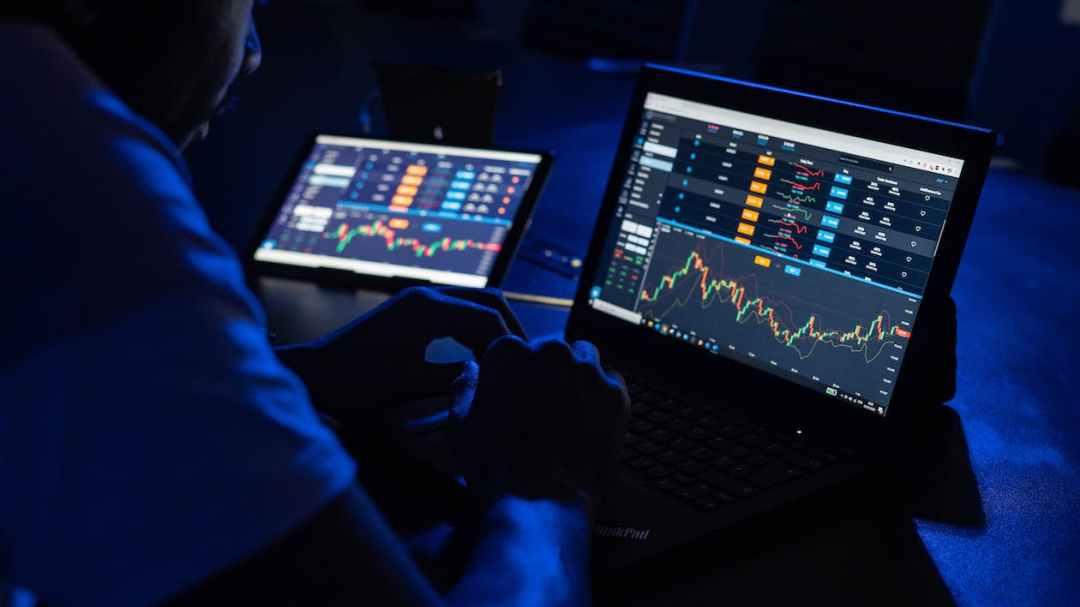
Foreign exchange trading, known universally as forex trading, is more than the mere swapping of currencies—it is a sophisticated financial ballet performed on a global stage. With daily volumes exceeding $7 trillion, forex is not only the largest market in the world but also one of the most fascinating. Every moment, currencies rise and fall in value, influenced by geopolitical shifts, economic indicators, interest rate decisions, and global sentiment.
Forex trading represents both opportunity and complexity. It appeals to a wide spectrum of participants—from central banks and multinational corporations to hedge funds and individual traders—each with their own goals, strategies, and impact on price action. For those who approach it with seriousness and discipline, forex offers a remarkably rewarding endeavor that goes far beyond speculation.
What Exactly is Forex Trading?
At its essence, forex trading involves buying one currency while simultaneously selling another. These currencies are traded in pairs, such as EUR/USD or USD/JPY, reflecting the relative value between them. Traders speculate on whether the base currency (the first in the pair) will strengthen or weaken against the quote currency (the second).
The forex market is decentralized and operates over-the-counter (OTC), meaning trades occur directly between parties, typically through electronic trading networks. It functions 24 hours a day, five days a week, following the sun from the Asian markets to Europe and then to North America. This continuous cycle allows for unparalleled flexibility and access.
Key Players in the Forex Ecosystem
Understanding who participates in the forex market provides valuable perspective on price behavior and liquidity. Each group has distinct motivations and trading volumes, shaping the market in subtle and overt ways.
-
Central Banks: Influence currency values through monetary policy, interest rate decisions, and direct market intervention.
-
Commercial and Investment Banks: Act as intermediaries and liquidity providers, often engaging in proprietary trading.
-
Multinational Corporations: Engage in forex transactions to manage currency exposure tied to international trade and investments.
-
Institutional Investors and Hedge Funds: Use forex to diversify portfolios, hedge against macroeconomic risks, or speculate on market direction.
-
Retail Traders: Individual participants using online platforms to access the market with relatively small capital but often high leverage.
Why Forex Trading Attracts the Masses
The democratization of trading platforms and abundant access to information have made forex increasingly popular with individual traders. Its appeal lies in its unique combination of speed, leverage, and global relevance.
Primary Benefits of Forex Trading
-
24-Hour Market Access: Trade whenever suits your schedule—before work, after dinner, or in the middle of the night.
-
High Liquidity: The vast volume means trades are executed quickly and at predictable prices.
-
Low Costs: Most brokers charge only spreads—there are typically no commissions.
-
Leverage Potential: Amplify positions with relatively small capital (though caution is essential).
-
Flexible Strategies: Supports a variety of trading approaches, from short-term scalping to long-term trend trading.
Understanding Currency Pairs
All forex transactions occur in pairs, and not all pairs behave the same. Categorizing them helps traders assess risk, volatility, and trading costs more effectively.
-
Major Pairs: Include the U.S. dollar and the most traded currencies (e.g., EUR/USD, GBP/USD, USD/JPY). These are the most liquid and widely traded.
-
Minor Pairs: Comprise popular currencies excluding the U.S. dollar (e.g., EUR/GBP, AUD/NZD). Slightly less liquid, with slightly wider spreads.
-
Exotic Pairs: Pair a major currency with one from an emerging market (e.g., USD/THB, EUR/ZAR). These offer high volatility but come with higher spreads and lower liquidity.
Trading Approaches: Strategies That Work
There is no universal recipe for success in forex, but informed strategies backed by discipline significantly improve one’s chances. Traders typically choose strategies that align with their personality, time commitment, and risk appetite.
1. Technical Analysis
-
Involves chart reading and interpreting historical price data.
-
Utilizes tools such as moving averages, Fibonacci retracements, Bollinger Bands, and MACD.
-
Favored for short-term trading and timing entries and exits.
2. Fundamental Analysis
-
Based on macroeconomic data like GDP, inflation, employment figures, and central bank policy.
-
Ideal for long-term traders looking to capitalize on economic trends and interest rate differentials.
3. Sentiment Analysis
-
Gauges market mood using indicators like the Commitment of Traders (COT) report or retail positioning.
-
Often used in conjunction with other methods to identify contrarian opportunities.
4. Price Action Trading
-
Focuses on raw price movements and candlestick patterns without indicators.
-
Demands a keen eye and deep understanding of market structure.
Managing Risk: The Unsung Skill of Successful Traders
In forex, managing risk is not merely advisable—it is mandatory. Volatility can bring opportunity, but without safeguards, it also leads to rapid capital erosion.
Key Risk Management Principles
-
Stop-Loss Orders: Predefine your maximum acceptable loss per trade.
-
Risk-Reward Ratio: Strive for at least a 2:1 reward-to-risk ratio on all setups.
-
Position Sizing: Allocate trade size based on account size and risk percentage, not emotion.
-
Avoid Overleverage: Excessive leverage may amplify gains, but it magnifies losses exponentially.
Trading Psychology: Mastering the Mental Game
No discussion on forex would be complete without addressing the psychological dimension. The market is often as much a test of temperament as of talent.
Characteristics of Emotionally Intelligent Traders
-
Discipline: Adheres strictly to a trading plan and resists emotional impulses.
-
Patience: Waits for quality setups rather than chasing the market.
-
Resilience: Accepts losses gracefully and learns from each mistake.
-
Self-Awareness: Recognizes psychological triggers and actively manages them.
Developing mental fortitude may take longer than learning strategy, but it is the most critical component in long-term success.
Choosing the Right Broker: Foundation of Your Trading Setup
A trustworthy, regulated broker is a trader’s first line of defense. With dozens of options available, due diligence is key.
Broker Selection Checklist
-
Regulatory Oversight: Ensure the broker is licensed by reputable authorities (FCA, ASIC, NFA, etc.).
-
Trading Platform: Look for platforms with stability, speed, and robust tools—MetaTrader 4/5 are industry favorites.
-
Execution Quality: Fast execution with minimal slippage, especially during high volatility.
-
Customer Support: Responsive and knowledgeable service is crucial.
-
Transparent Pricing: Watch for hidden fees and understand the broker’s spread policy.
A Continuous Learning Curve
Forex is not something you master overnight. It is a craft—one honed over months and years of study, practice, and refinement. Even experienced traders continue to evolve, adapting to new market conditions and refining their strategies.
Recommended Resources
-
Books: Trading in the Zone by Mark Douglas, Currency Trading for Dummies, Forex For Ambitious Beginners
-
Web Platforms: Babypips.com, ForexFactory.com, DailyFX.com
-
Simulated Trading: Practice in a demo account before risking real capital
Conclusion: The Elegant Complexity of Forex Trading
Forex trading is not a lottery ticket, nor is it a guaranteed pathway to wealth. It is a nuanced, demanding, and deeply intellectual pursuit that rewards those who bring patience, discipline, and curiosity. The forex market moves with the pulse of the world—each fluctuation echoing a decision, a policy, or a sentiment.
To succeed in this space is to become a student of both markets and oneself. With the right blend of knowledge, preparation, and emotional balance, forex trading becomes not just a financial endeavor, but a journey of continuous self-mastery and global understanding.

 Finance Fx News